Asbestos was once widely used in construction due to its fire-resistant and insulating properties. However, over the years, the dangers associated with asbestos have become increasingly well-documented. At D&R Demolition, we frequently encounter asbestos during demolition projects and understand how vital it is to manage it properly. But what are the risks of asbestos exposure — and why should property owners, workers, and the general public be concerned?
In this article, we’ll explore the major health risks linked to asbestos, how exposure can occur, and the importance of professional asbestos management in demolition and renovation projects.
What is asbestos?
Asbestos is a naturally occurring mineral composed of thin, fibrous crystals. It was commonly used in building materials like insulation, ceiling tiles, cement sheeting, roofing, and floor tiles — especially in buildings constructed before the 1980s.
The material is generally safe when undisturbed, but when asbestos-containing materials (ACMs) are damaged or deteriorate over time, they release microscopic fibres into the air. These fibres, when inhaled, can lead to serious and potentially fatal health conditions.
How does exposure happen?
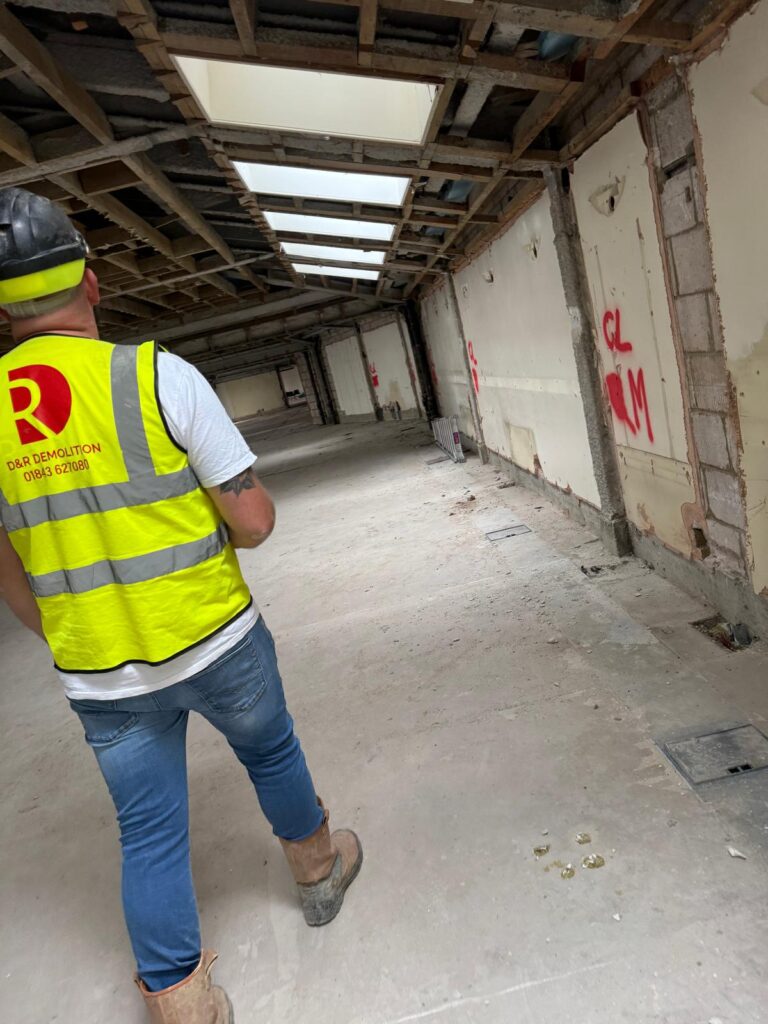
People are typically exposed to asbestos during building renovations, demolitions, or when natural disasters damage structures. For example, if you drill into or break apart a wall or ceiling that contains asbestos, fibres can become airborne.
At D&R Demolition, we always assess older buildings for asbestos before beginning any demolition work. Identifying and safely removing asbestos is a legal and moral responsibility — not only for our team’s safety but for the wellbeing of surrounding communities.
So, what are the risks of asbestos exposure?
The dangers of asbestos are mostly long-term. Here are the most serious health risks associated with exposure:
1. Asbestosis
Asbestosis is a chronic lung condition caused by prolonged exposure to asbestos fibres. The fibres scar lung tissue, making it increasingly difficult to breathe. Symptoms include shortness of breath, persistent coughing, and chest tightness. While it is not cancerous, asbestosis can severely affect quality of life and has no known cure.
2. Mesothelioma
This is a rare and aggressive cancer that affects the lining of the lungs, abdomen, or heart. Mesothelioma is almost exclusively linked to asbestos exposure. Unfortunately, it often goes undetected until it reaches an advanced stage, making treatment difficult. Mesothelioma has a poor prognosis, which is why preventing exposure is critical.
3. Lung cancer
People who inhale asbestos fibres over long periods are at greater risk of developing lung cancer — especially if they also smoke. Asbestos-related lung cancer presents symptoms similar to those of other lung conditions: coughing, wheezing, and chest pain.
4. Other cancers
Some studies suggest a link between asbestos exposure and cancers of the larynx, ovary, and gastrointestinal tract. While less common, these risks add to the overall danger posed by even limited contact with asbestos.
5. Pleural disease
Asbestos can cause non-cancerous conditions that affect the pleura, the lining around the lungs. These can include pleural plaques, pleural thickening, and pleural effusion, which may impact breathing and lead to complications.
Who is at risk?
Anyone who disturbs asbestos materials is at risk, but some groups are particularly vulnerable:
- Construction and demolition workers
- Electricians and plumbers
- Maintenance staff in older buildings
- DIY home renovators
- People living or working in buildings containing damaged ACMs
That’s why at D&R Demolition, we follow strict safety protocols when handling suspected asbestos. We’re fully licensed and trained in asbestos surveying and removal, ensuring that projects are completed safely and in full compliance with UK health and safety regulations.
How to protect yourself
If you suspect that a building contains asbestos:
- Do not disturb it
- Contact a qualified asbestos surveyor or removal company
- Never attempt DIY asbestos removal
- Ensure that professionals wear protective equipment and follow correct procedures
Why professional removal matters
Attempting to remove asbestos yourself is dangerous and illegal in many cases. Only trained and certified experts like those at D&R Demolition should undertake this task. We provide comprehensive asbestos services — from surveying and testing to safe removal and disposal.
Final thoughts: what are the risks of Asbestos Exposure?
To sum up, what are the risks of asbestos exposure? They are severe and potentially life-threatening. From chronic lung disease to deadly cancers, asbestos remains a hidden danger in many older structures. If you’re planning a renovation or demolition, trust the experts at D&R Demolition to assess and manage any asbestos safely and responsibly.
Contact us today for a consultation and ensure your project stays compliant, safe, and on schedule.